Cách thay thế hộp lọc OEM mà không làm tăng rủi ro quy trình
Việc thay thế hộp lọc OEM có thể giúp giảm đáng kể chi phí lọc và cải thiện tính linh hoạt của nguồn cung, đặc biệt là trong các ngành tiêu thụ một lượng lớn hộp lọc mỗi năm.
Tuy nhiên, việc thay thế OEM không bao giờ nên chỉ được đánh giá dựa trên kích thước hoặc giá cả.
Trong các ứng dụng quan trọng như xử lý hóa dầu, sản xuất điện, dược phẩm, hóa chất, thực phẩm và đồ uống, và xử lý nước siêu tinh khiết, một hộp lọc thay thế không phù hợp có thể gây ra áp suất chênh lệch cao hơn, hiệu quả lọc giảm, tuổi thọ ngắn hơn, rò rỉ, hoặc thậm chí gây ô nhiễm quy trình hạ nguồn.
Do đó, việc thay thế OEM thành công đòi hỏi một quy trình đánh giá kỹ thuật có cấu trúc.
Tại sao thay thế lọc OEM có thể rủi ro
Nhiều hộp lọc trông có vẻ đơn giản từ bên ngoài. Hai hộp lọc có thể có cùng chiều dài, đường kính, xếp hạng micron và cấu hình nắp cuối, nhưng hiệu suất lọc thực tế của chúng có thể rất khác nhau.
Sự khác biệt có thể đến từ vật liệu lọc, cấu trúc lỗ rỗng, mật độ nếp gấp, lớp hỗ trợ, vật liệu niêm phong, cấu tạo hộp lọc, hoặc dung sai sản xuất.
Ví dụ, việc thay thế một hộp lọc OEM 5 µm bằng một hộp lọc khác có nhãn "5 µm" không có nghĩa là cả hai sản phẩm đều cung cấp hiệu suất giữ hạt giống nhau.
Một loại có thể được đánh giá danh nghĩa trong khi loại kia có thể được thiết kế để đạt hiệu quả giữ tuyệt đối cao hơn nhiều.
Đây là lý do tại sao việc thay thế OEM nên bắt đầu bằng sự tương đương về mặt kỹ thuật thay vì chỉ khớp kích thước.
1. Xác nhận thông số kỹ thuật hộp lọc gốc
Bước đầu tiên là thu thập càng nhiều thông tin càng tốt về hộp lọc hiện có.
Các thông số quan trọng thường bao gồm:
- chiều dài và đường kính ngoài của hộp lọc
- đường kính trong và loại kết nối
- cấu hình nắp cuối
- vật liệu gioăng hoặc vòng O
- vật liệu lọc
- xếp hạng micron
- hiệu quả lọc danh nghĩa hoặc tuyệt đối
- nhiệt độ hoạt động
- áp suất chênh lệch tối đa
- tốc độ dòng thiết kế
- chất lỏng quy trình
- mô hình vỏ lọc hiện có
Nếu có sẵn mã bộ phận gốc, nó có thể giúp xác định cấu hình cơ bản.
Tuy nhiên, mã bộ phận OEM một mình không phải lúc nào cũng đủ. Trong nhiều dự án công nghiệp, điều kiện quy trình thực tế quan trọng hơn thông số kỹ thuật trong danh mục.
2. Hiểu rõ điều kiện quy trình thực tế
Hộp lọc thay thế nên được lựa chọn cho hệ thống hoạt động, không chỉ cho mô hình lọc gốc.
Trước khi đề xuất một giải pháp thay thế, nhà cung cấp nên hiểu cách hộp lọc thực sự được sử dụng.
Ví dụ, một hộp lọc được lắp đặt trong bộ lọc trước RO ở nhiệt độ phòng có các yêu cầu rất khác so với hộp lọc được sử dụng trong nước quy trình nóng, dung môi mạnh, dầu có độ nhớt cao, hoặc lọc hóa chất siêu tinh khiết.
Dữ liệu hoạt động chính thường bao gồm:
Nhiệt độ hoạt động:
Một số hộp lọc polymer có thể bị mềm, biến dạng, hoặc mất độ bền cơ học ở nhiệt độ cao.
Tốc độ dòng:
Dòng chảy quá mức qua một hộp lọc quá nhỏ có thể tạo ra áp suất chênh lệch cao và rút ngắn tuổi thọ.
Áp suất hoạt động và áp suất chênh lệch:
Cấu trúc hỗ trợ bên trong phải chịu được ứng suất cơ học phát sinh trong quá trình hoạt động.
Tương thích hóa học:
Vật liệu lọc, vật liệu hỗ trợ, nắp cuối và các bộ phận niêm phong đều phải tương thích với chất lỏng quy trình.
Tải lượng chất gây ô nhiễm:
Số lượng và loại hạt ảnh hưởng mạnh mẽ đến diện tích lọc và tuổi thọ của hộp lọc.
Nếu không có thông tin này, một hộp lọc tương thích về mặt vật lý vẫn có thể hoạt động kém sau khi lắp đặt.
3. So sánh vật liệu lọc, không chỉ xếp hạng micron
Vật liệu lọc là một trong những yếu tố quan trọng nhất trong việc thay thế OEM.
Các vật liệu hộp lọc phổ biến bao gồm polypropylene, PES, PTFE, PVDF, nylon, sợi thủy tinh và thép không gỉ.
Ngay cả khi hai hộp lọc sử dụng cùng một vật liệu cơ bản, hiệu suất của chúng có thể khác nhau do cấu trúc màng, đường kính sợi, phân bố lỗ rỗng, cấu hình nếp gấp và các lớp hỗ trợ.
Đối với các ứng dụng quan trọng, việc so sánh nên bao gồm hiệu quả lọc cũng như xếp hạng micron.
Ví dụ, một hộp lọc polypropylene danh nghĩa 1 µm và một hộp lọc màng tuyệt đối 1 µm không thể được coi là tương đương về mặt kỹ thuật chỉ vì cả hai đều được đánh dấu "1 µm".
Do đó, hiệu quả yêu cầu nên được xác nhận trước khi thay thế.
4. Kiểm tra tính tương thích cơ học và kích thước
Hộp lọc thay thế phải lắp vừa vặn vào vỏ hiện có.
Các chi tiết kích thước quan trọng bao gồm chiều dài hộp lọc, đường kính ngoài, đường kính trong, vị trí niêm phong, thiết kế nắp cuối và hình dạng bộ chuyển đổi.
Đối với các hộp lọc sử dụng giao diện 222, 226, cánh quạt, mũi nhọn, DOE, hoặc giao diện độc quyền, ngay cả một sự khác biệt nhỏ về kích thước cũng có thể ngăn cản việc lắp đặt hoặc niêm phong đúng cách.
Trong các dự án thay thế OEM, bản vẽ kích thước thường hữu ích hơn mô tả trong danh mục.
Khi có thể, nhà cung cấp giải pháp thay thế nên so sánh mẫu hoặc bản vẽ gốc trực tiếp với hộp lọc được đề xuất trước khi sản xuất.
5. Đánh giá hiệu suất áp suất chênh lệch và lưu lượng
Một hộp lọc vừa vặn với vỏ không nhất thiết cung cấp hiệu suất thủy lực giống nhau.
Số lượng nếp gấp, diện tích lọc, độ thấm của vật liệu, đường kính hộp lọc và cấu trúc hỗ trợ đều ảnh hưởng đến điện trở dòng chảy.
Nếu hộp lọc thay thế có áp suất chênh lệch ban đầu cao hơn đáng kể, hệ thống có thể gặp phải lưu lượng giảm hoặc khoảng thời gian sử dụng ngắn hơn.
Do đó, đối với các ứng dụng lưu lượng cao, nhà cung cấp nên đánh giá cả tốc độ dòng yêu cầu và áp suất chênh lệch chấp nhận được.
Điều này đặc biệt quan trọng khi thay thế các hộp lọc khổ lớn được sử dụng trong các nhà máy điện, nhà máy hóa dầu, hệ thống khử muối và xử lý nước công nghiệp.
6. Bắt đầu với mẫu thử hoặc thử nghiệm có kiểm soát
Đối với các ứng dụng quan trọng, việc chuyển thẳng từ so sánh kỹ thuật sang mua hàng số lượng lớn sẽ tạo ra rủi ro không cần thiết.
Một phương pháp an toàn hơn là bắt đầu với số lượng nhỏ để đánh giá.
Tùy thuộc vào ứng dụng, khách hàng có thể đánh giá:
- lắp đặt và niêm phong
- áp suất chênh lệch ban đầu
- hiệu suất lưu lượng
- chất lượng lọc
- khả năng giữ chất gây ô nhiễm
- tính toàn vẹn của hộp lọc
- tuổi thọ
Đối với lọc quan trọng cho quy trình, có thể cần thử nghiệm thực địa kéo dài hơn trước khi phê duyệt hoàn toàn.
Mục đích của thử nghiệm không chỉ là để chứng minh rằng hộp lọc có thể hoạt động. Đó là để xác nhận rằng hiệu suất của nó vẫn ổn định trong chu kỳ sử dụng dự kiến.
7. So sánh tổng chi phí lọc, không chỉ giá đơn vị
Các dự án thay thế OEM thường được khởi xướng vì giá hộp lọc cao, nhưng giải pháp thay thế có giá thấp nhất không phải lúc nào cũng là giải pháp có chi phí thấp nhất.
Một phép so sánh hữu ích hơn xem xét tổng chi phí lọc.
Điều này bao gồm:
- giá mua hộp lọc
- tần suất thay thế
- nhân công bảo trì
- thời gian ngừng hoạt động của thiết bị
- chi phí xử lý
- yêu cầu tồn kho
- rủi ro thay thế khẩn cấp
Một hộp lọc có giá thấp hơn 20% nhưng chỉ sử dụng được một nửa thời gian có thể làm tăng tổng chi phí vận hành.
Việc thay thế OEM thành công nên giảm chi phí đồng thời duy trì hoặc cải thiện hiệu suất lọc và tuổi thọ.
8. Chuyển sang thay thế theo lô chỉ sau khi đánh giá
Sau khi mẫu thử hoặc thử nghiệm thực địa đã xác nhận tính tương thích, hiệu quả lọc, hành vi áp suất và tuổi thọ, khách hàng có thể dần dần chuyển sang mua hàng thường xuyên.
Đối với người dùng công nghiệp lớn, quy trình đánh giá theo giai đoạn này đặc biệt quan trọng.
Nó giảm thiểu rủi ro kỹ thuật đồng thời cung cấp cho các nhóm kỹ thuật và mua hàng đủ dữ liệu hoạt động để hỗ trợ phê duyệt nhà cung cấp.
Trong nhiều trường hợp, kết quả cuối cùng không chỉ là giá hộp lọc thấp hơn, mà còn là chuỗi cung ứng linh hoạt hơn, thời gian giao hàng ngắn hơn và ít phụ thuộc vào một nguồn OEM duy nhất.
Một lần thay thế OEM tốt là một dự án kỹ thuật
Việc thay thế hộp lọc OEM không nên được coi là một quyết định mua hàng đơn giản.
Cách tiếp cận an toàn nhất là kết hợp khớp kích thước, so sánh vật liệu, phân tích điều kiện quy trình, xác minh phòng thí nghiệm và thử nghiệm thực địa trước khi thay thế quy mô lớn.
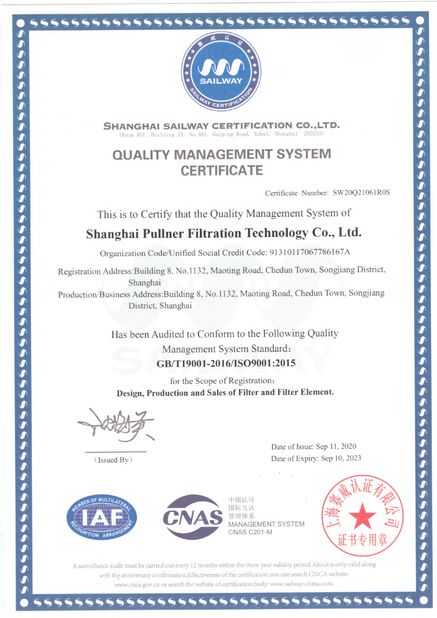
Tại Pullner, các dự án thay thế OEM được đánh giá dựa trên hệ thống lọc thực tế và điều kiện hoạt động. Tùy thuộc vào ứng dụng, sự hỗ trợ có thể bao gồm phân tích hộp lọc gốc, khớp kích thước, phát triển hộp lọc tùy chỉnh, thử nghiệm mẫu và đánh giá thực địa.
Mục tiêu rất đơn giản:giảm chi phí lọc mà không đưa thêm rủi ro quy trình.
Đối với người dùng công nghiệp có mức tiêu thụ hộp lọc cao hoặc yêu cầu lọc OEM chuyên biệt, một giải pháp thay thế được đánh giá đúng cách có thể mang lại tiết kiệm lâu dài đồng thời duy trì hiệu suất lọc ổn định.


 Vietnamese